Replacing a car window rarely lands on a calendar at a good time. A stray rock on Wendover, a surprise branch after a storm in Oak Hollow, or a break-in behind the shops on Main can push you into quick decisions about glass, tint, and timelines. In High Point, choices go beyond “what’s in stock.” The climate, local tint laws, and the way glass interacts with driver-assist sensors all matter. The question that pops up right after “How fast can you get here?” is often “Should I go tinted or clear?”
I have spent enough time around high point auto glass work to know how small decisions up front change the way a car feels for years. This isn’t a theoretical debate. It’s about heat on summer commutes, glare during a dusk run up Johnson Street, night visibility on back roads toward Archdale, and whether your insurance will smile or frown when they see the invoice. If you’re lining up auto glass replacement high point services, here’s how to think clearly about tinted versus clear glass, what the trade-offs are, and when each choice shines.
What “tinted” and “clear” actually mean in practice
Factory glass falls into a few camps. Most modern vehicles ship with a light green or bluish hue in the side and rear glass. That is dye within the glass, not a film applied later. It subtly knocks down glare and heat without shouting “tint.” The rear glass on SUVs and crossovers often has privacy glass, which is dyed dark during manufacturing for style and cabin privacy. Windshields are almost always clear laminated glass with a shaded band at the top, plus a coating in some premium models that filters infrared for heat reduction.
Aftermarket tint is a separate layer installed on the interior surface of the glass. It comes in shades and technologies, from simple dyed films to ceramic films that block heat without going much darker. When you hear “tinted” at a shop, ask whether they mean OEM-style privacy glass or film applied after installation. For replacement windows, especially side and quarter glass, you usually choose between clear, light green OEM-style, or privacy-dark. If you want a ceramic film, that’s a post-install add-on.
For High Point drivers, the difference has practical weight. A lightly dyed OEM-style window looks factory-clean and stays within legal limits more easily. Dark privacy glass chills the cabin and hides gear in the cargo area, helpful if you park near the furniture market showrooms and keep tools in the trunk. A clear window opens the cabin to natural light, which some drivers prefer for night driving and for an unobstructed look.
Local tint law basics you cannot ignore
North Carolina law sets limits you need to respect, especially if you’re tempted to go darker after a break-in. At the time of writing, state rules allow front side windows to let at least roughly one-third of light pass through, with the rear sides and back window allowed to go darker. Windshields must remain mostly clear, aside from a top visor strip. Enforcement varies, but every few months I hear from someone who had to peel film after a stop on I-74, or who failed inspection because a test meter read below the allowed threshold.
Two important nuances come up during car window replacement high point jobs:
- Privacy glass from the factory looks very dark, yet it typically complies because the standard applies differently to rear windows. If you replace a rear door pane, matching the factory privacy shade usually stays within the law. Aftermarket film overlays the glass, so a clear or light-green replacement plus a film creates the final visible light transmission. When in doubt, have the shop meter the sample stack before committing.
Good high point auto glass providers keep meters on hand and know the inspection points that trip people up. If your vehicle is registered in Guilford County, aim to avoid any gray areas. Being just one shade too dark can lead to tickets, rework, or insurance headaches.
Heat, glare, and the High Point climate
Summer in the Triad pushes highs into the 90s regularly, and cabins soak up heat fast. I’ve tested two otherwise identical vehicles, one with privacy glass and ceramic film and one with all-clear. After three hours in the sun, the darker plus ceramic combo cut interior surface temperatures by 15 to 25 degrees. That difference shows up as a quicker cooldown, a less-stressed AC system, and fewer scorched fingertips on steering wheels.
Yet darker isn’t always better. Sunset glare when heading west on Lexington Avenue can explode off a dark interior like a mirror. A well-chosen light green OEM tint with a quality windshield that includes a shaded visor often feels more balanced than going as dark as possible. Nighttime visibility also drops as tint darkens. If you do a lot of early morning drives out toward Trinity or frequently back into tight spaces at night, a lighter side glass can reduce blind corners and cut mistakes. Older drivers often report that deep tint turns rain-slicked streets into a blur. Younger eyes may adapt, but the safety margin narrows either way.
For many High Point commuters, the sweet spot is light to moderate tint on side glass, privacy-level on the rear and cargo, and a clear windshield with a factory visor band. It keeps the cabin cooler and protects seats from UV without turning night driving into a chore.
Safety and technology: more than broken glass
Windshields are laminated. Most side and rear windows are tempered. Both types contribute to structural safety. A windshield acts like a brace during rollover and is integral to airbag timing. That is why windshield replacement high point work often takes longer and requires more precision. Many modern cars pair the windshield with ADAS cameras for lane keeping, forward collision alerts, and automatic high beams. Even a small change in glass properties can skew how those cameras see. Side window replacement High Point After installing a new windshield, many vehicles need a camera calibration, static or dynamic, or both. Good shops handle this in-house or partner with calibration specialists the same day.
Tint interacts with these technologies in subtle ways:
- If your windshield includes an infrared-reflective coating, some aftermarket films won’t adhere or may cloud sensor areas. Stick with films recommended by the vehicle maker or reputable film brands that publish compatibility charts. Excessively dark front side windows can impair blind-spot monitoring cameras that peek into the cabin edge, rare but real. Windshield tint beyond the legal visor strip can confuse rain sensors and is almost always a bad idea.
If your service involves windshield repair high point technicians might patch damage before a full replacement, which preserves factory calibration. If damage intrudes on the camera’s field, though, replacement plus calibration is the safer path. Ask directly how the shop plans to verify ADAS function after the job.
Insurance, cost, and timing you can actually plan around
Policy coverage for auto glass repair high point claims varies, but comprehensive insurance often covers chip repairs at little or no out-of-pocket cost. Replacements for windshields typically carry a deductible, often 100 to 500 dollars. Side windows and quarter glass sometimes come under the same number. Privacy glass or a specific OEM tint upcharge may push costs higher than a generic clear pane. Some insurers will pay for like-kind replacement, which means if your SUV came with factory privacy rear glass, you can get an equivalent tint level without fighting the adjuster.
Timelines depend on inventory. For common models, same day auto glass high point service is realistic, especially if you call early. Less common quarter glass or panes with built-in antenna traces can take a day or two to source. If you need emergency auto glass high point support after a break-in, mobile auto glass high point crews can secure the opening temporarily, then return with the right glass. Dark privacy rear panes might have a short lead time compared to clear on certain trims, and the reverse is true on others. A reliable shop will check distribution warehouses across the state and give you real ETAs, not guesses.
Film tint adds time. A typical two-front-window film install runs 60 to 90 minutes. Full-vehicle tint can push half a day, and curing time matters. You will roll the windows up for at least 24 hours and live with a slight haze or micro-bubbles during initial drying. If your week is packed, separate the glass replacement from film application so you can keep appointments.
Matching or changing the look of your car
When a single side window breaks, you’ll notice even a small mismatch. A fresh clear pane next to three lightly green dyed panes will read bright and slightly blue in daylight. If you like a uniform look, ask the shop to match the closest OEM dye, not a random “clear.” Good suppliers catalog glass by shade. If your vehicle’s rear doors have privacy glass and a front door breaks, you may be tempted to darken both front doors to match. That almost always runs into legal limits. A tasteful compromise is a lighter film up front that visually bridges the difference while staying compliant.
Enthusiasts sometimes take a replacement as a chance to reset the whole aesthetic. A clear set of side windows on a classic or a lightly green set that echoes European factory glass can refresh a car. Just keep resale in mind. Most buyers in High Point prefer a factory-style tint level and a clean match across all panes.
The comfort factor you notice daily
Driver fatigue builds from small annoyances. Glare from a sun angle, heat reflecting off a white pickup beside you at a light, UV creeping in on your left arm during a long drive to Raleigh. Quality tint reduces these by percentages that add up. Ceramic films in particular can block a large portion of infrared heat with only a mild darkness. If you want a cabin that feels cooler without a deep tint look, ask specifically for a high heat-rejection film in a legally light shade.
Clear glass still has a loyal following. Photographers and real estate folks who rely on accurate color perception often prefer clear. Night couriers and anyone who routinely navigates unlit rural roads tend to favor clear or very light tint. Vision matters. If your night vision is weakening, go lighter. Heat can be handled with a reflective windshield shade and better AC maintenance.
Scratches, pits, and the long view on durability
Tempered side glass resists shattering well but picks up fine scratches over time, especially if you live with a lot of dust or run windows down frequently. Privacy glass, being dyed rather than filmed, has the color baked in. It will not peel or bubble. That makes dyed privacy glass a durable choice for rear doors and cargo areas that see a lot of dog paws or lumber trips. Aftermarket film on front windows is also durable, but it lives at the mercy of window seals. If seals age and trap grit, you will see vertical micro-scratches in the film before you see them in bare glass. A well-installed, quality film should last 5 to 10 years before it shows its age, longer if the car sleeps in a garage.
Windshields accumulate pitting from highway miles. That matte haze against the sun is a thousand tiny impacts, not dirt. If you notice halos around headlights at night, your windshield may be ready for an update even without a crack. Some premium windshields include hydrophobic coatings that shed rain and resist pitting slightly better. They command a higher price, but for drivers who log many miles on I-85 or US-52, the clarity can justify the spend.
When speed matters more than style
After a smash-and-grab, you want glass back, not a color consult. Shops that do a lot of car window repair high point work will triage. Clear glass tends to be easier to source across multiple brands. If you’re okay with a temporary clear pane on a vehicle that otherwise has privacy glass, you can be back on the road in hours. Later, you can film the replacement to match. This two-step approach gets you rolling fast and reduces the chance you settle for a poor shade match because you felt rushed.
Mobile services minimize downtime. A technician can meet you at home or work, vacuum out the shattered glass, install the new pane, test the regulator, and seal everything against weather. For windshields, mobile setups are common, though calibration may require a shop visit depending on your vehicle. Remote dynamic calibrations work for many models, using a drive cycle on prescribed roads. If you hear the phrase “static calibration” for your car, plan to visit the shop where they can set up targets with precise spacing and lighting.
How to talk to a shop and get what you want
You do not need to become a glass expert to make a smart choice. Describe how you use your vehicle and what bothers you most. Mention night driving, parking in direct sun, ADAS features, and whether you hope to keep the car for two years or ten. Ask the shop to show you sample panes or film swatches against your car in daylight. Look at them from inside and outside. Bring up tint law compliance early, and ask them to meter the installed product.
Many teams specializing in auto glass replacement high point carry several brands of OEM-equivalent glass. If the quote seems low compared to what you expected, clarify whether you’re getting OEM, OEM-equivalent, or aftermarket without a brand pedigree. The difference isn’t always visible, but edge finishing, fit, and optical clarity separate the top tiers from bargain stock. On a windshield, that difference can mean less distortion where the glass curves, which reduces eye strain.
Real examples from the Triad
A contractor I know with a work van had the driver-side glass smashed near Kirkwood. He wanted the fastest possible fix. The shop offered clear or privacy-equivalent as both were in a Greensboro warehouse. He went clear that afternoon, then returned a week later for a ceramic film that matched the rear privacy look from outside but kept good visibility from inside. The two-step cost a bit more but let him keep jobs on schedule.
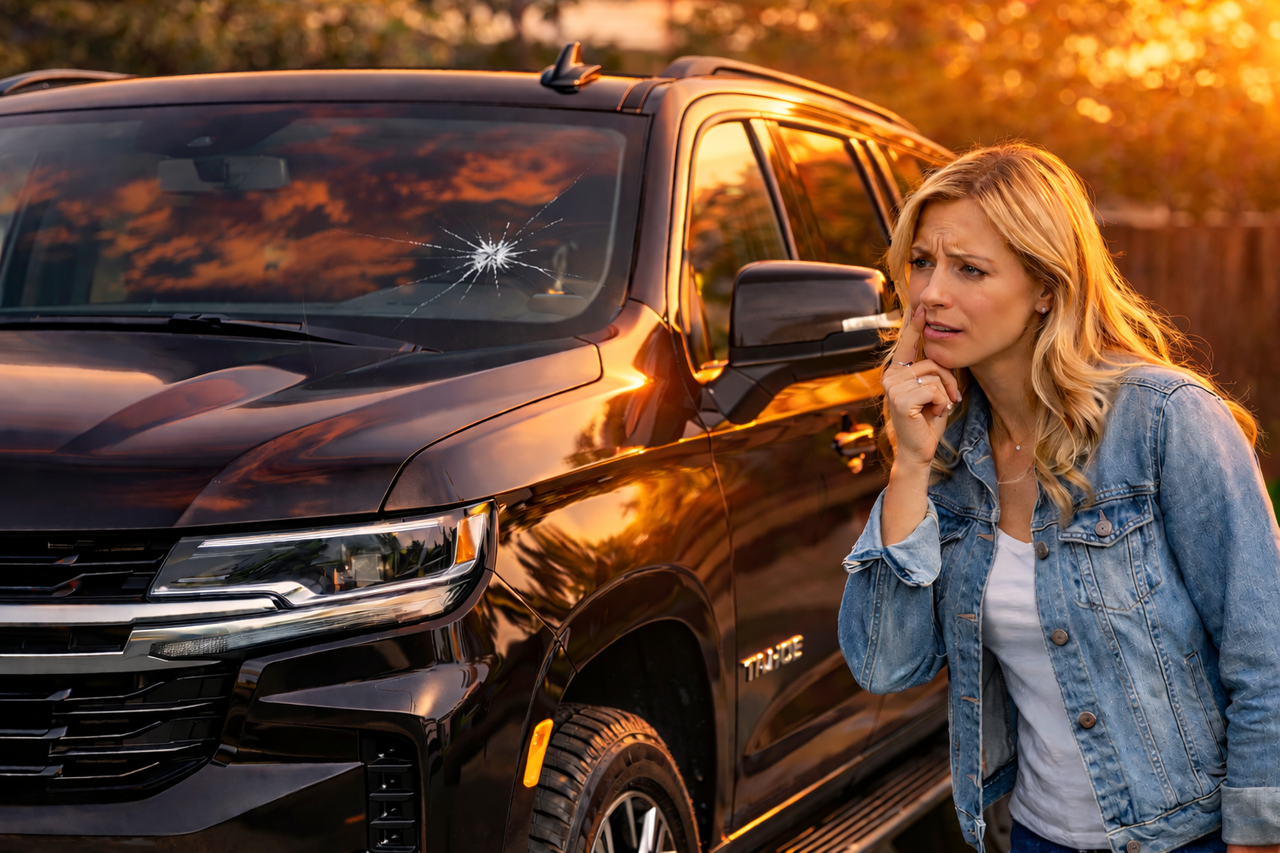
Another case, a parent with a newer SUV that runs kids to practice in Jamestown every evening. Heat was the complaint. The vehicle already had privacy rear glass, clear fronts. After a gravel crack spread across the windshield, they opted for a laminated replacement with an IR-reflective interlayer plus a legal, light ceramic film on the front doors. The combination cut AC load noticeably while keeping night visibility sharp. The tech performed a dynamic calibration on the ADAS camera during a prescribed drive loop and verified lane-keep function before handing the keys back.
Then there was a classic sedan owner doing a partial restore. He disliked the patchwork of tints from previous owners. He asked for all-clear side glass and a factory-style windshield with a green visor band. The car looked cleaner, and the cabin felt airy, which matched the era. He uses a folding reflective shade when parked. No tint, no law worries, and very good night road feel.
Choosing tinted vs. clear: a practical checkpoint
Here is a tight decision aid you can use before calling a shop:
- If you park outside, struggle with summer heat, or carry gear you prefer to keep out of sight, lean toward tinted, with ceramic film up front and privacy or dyed glass in the rear. If you drive mostly at night or on unlit routes, and your eyes are sensitive, prioritize clear or very light tint for side windows. If your vehicle uses camera-based driver aids, keep the windshield clear and compliant, and make sure calibration is part of the plan. If you need wheels today after a break-in, accept a clear pane now, then add film later to match. Speed first, perfect match second. If resale value and a factory look matter, ask for OEM-style tint levels and avoid overly dark front windows, which can invite inspection trouble.
Where High Point shops fit in, and what good service looks like
There is no shortage of options for windshield repair high point drivers, from national chains to local teams who know every back road and how to work discreetly behind a furniture showroom. The best signals that you are in good hands are simple. They pick up the phone, give a straight answer on inventory, mention calibration unprompted if your car needs it, and offer mobile service windows that align with your schedule. They do not force tint choices but can discuss heat-rejection numbers and legal limits without vague promises.
Whether you book mobile auto glass high point service at your driveway or drop by a bay off Eastchester, ask how they handle cleanup and panel alignment. A proper side window replacement includes fishing shattered glass out of the door cavity, inspecting the regulator, and lubricating tracks. The difference shows up weeks later when the window glides without a squeak and the film, if present, doesn’t pick up vertical scratches.
If you are pricing around, tell each provider if you are comparing clear against tinted glass. Some quotes default to the cheapest clear pane, which makes a privacy match seem expensive. Apples to apples is the only fair comparison.
The bottom line for High Point drivers
Tinted versus clear is not a trendy question. It is tied to how your car works in real heat, at real hours, on roads you drive every day. Tinted glass, done thoughtfully, cools the cabin, guards the interior, and cuts glare. Clear glass preserves night vision and purity of view. You can mix them strategically: legal, heat-cutting film up front and privacy in the rear, or all-clear for maximum visibility with a sunshade as your heat plan.
When you call for car window replacement high point help, steer the conversation beyond “How soon?” Talk shade matching, law compliance, ADAS calibration, and how you actually use the vehicle. A good shop will meet you there and guide you toward the right balance. If the schedule is tight, tap same day auto glass high point availability and save the tint fine-tuning for a follow-up. If it is urgent, lean on emergency auto glass high point support to secure the vehicle, then get picky about glass choices once the dust settles.
Good glass decisions are quiet. You notice them less every week, because the car just works. The cabin stays cooler in July. The night view stays crisp in January. And you stop thinking about the day a pebble on I-74 chose your windshield. That is the goal.