A leaky or drafty car window doesn’t sound dramatic until you’ve driven through a Carolina downpour with water dripping onto your door switch panel. In High Point, the combination of humid summers, pollen, and sudden storms magnifies small issues in your door glass and seals. Left alone, a slow leak will soak carpet padding, set off musty odors, and corrode connectors under the dash. A persistent draft can whistle at highway speeds, increase cabin noise, and undermine your HVAC system’s ability to keep you comfortable in July or January. The fix is rarely complicated, but it does require method and judgment. The difference between a clean repair and a recurring problem often comes down to diagnosis.
I’ve seen water enter a cabin from five-cent rubber plugs, worn regulator bushings, or a windshield set a hair too high. I’ve also seen owners replace a whole window they didn’t need because the real culprit was a clogged door drain. If you’re searching for car window repair High Point, start with a grounded approach. Know what you’re looking for, what you can handle, and when to call a professional for auto glass repair High Point residents actually trust.
How leaks and drafts really start
Water intrusion usually follows gravity and the path of least resistance. Your vehicle already expects water in certain places and directs it out. Doors are a good example. When rain hits your side glass, some water slides past the outer belt molding, into the door cavity. That is normal. Inside the door, a plastic or foam vapor barrier, paired with strategic seams and drains at the bottom, channels water back outside. Leaks happen when that pathway breaks.
On older cars, adhesive that bonds the vapor barrier to the door frame dries out. Once a section of that barrier lifts, water no longer follows the designed path. It can pour straight onto the back of your interior trim panel, then onto the armrest and floor. I’ve peeled back panels and found factory butyl adhesive reduced to brittle threads. Add a clogged door drain and the water has even more incentive to find your carpet.
Drafts tend to be a story about alignment and compression. Glass must index precisely into its run channel, the rubber-lined track that guides the window up and down. If a regulator is worn, a guide is bent, or the channel has hardened, the glass may tilt slightly at the top. A small gap in the upper front corner can sound like a flute at 55 mph. Aged weatherstripping loses elasticity. It might look intact, but it no longer presses firmly against the glass. That small loss of pressure becomes a whistle, then a chill.
Windshields and rear windows introduce a different failure mode. They rely on urethane adhesive to form a structural bond. If a replacement was done with poor surface prep or rushed cure time, you can get a microchannel that passes water during heavy rain or a high-pressure car wash. A windshield leak can wander, dripping into the A-pillar, then emerging as a wet headliner over the passenger seat. That’s where professional windshield repair High Point shops with trained techs make a clear difference, because chasing glass-to-body leaks at home is a risky way to spend a Saturday.
The quick symptoms that tell you a lot
The way water shows up often narrows the field:
- Damp carpet only at the front passenger footwell, worse after rain, with no visible drip from the door panel, points to a windshield or cabin air intake cowl leak. Wet lower door panel, water line at the door speaker, and moisture that increases when you spray the window exterior suggests a failed door vapor barrier or clogged door drains. Mildew smell with no visible wet carpet sometimes means the sound-deadening foam under the carpet is saturated. That foam can hold water for weeks. A whistle that changes tone when you press a finger at the upper corner of the glass indicates misalignment or a flattened weatherstrip at that exact point. Fogging on only one side window on cold mornings can be a sign of trapped moisture in that door, not just a cabin humidity issue.
When in doubt, use a controlled test. Garden hose on low, attach a spray nozzle, and start from low to high. Keep the stream steady on one area at a time, hold it for 30 to 60 seconds, and have a helper inside with a flashlight. Move the stream slowly up the glass and seals. Patience beats guesswork.
The anatomy of a door leak
Picture your front door assembly as layers. There is the exterior metal skin, the interior frame with the window regulator and guides, a sheet of plastic or foam adhered with butyl or mastic, and finally the decorative trim panel. Water should hit the glass, slide into the door, drop to the bottom, and exit through elongated drain holes. If the vapor barrier fails, water sidesteps the channel and rains onto the trim panel. If the drain holes clog with leaf bits and grit, the door becomes a fish tank during a storm, and water escapes wherever it can.
The fix, in many cases, is simple and satisfying. Remove the trim panel, peel back the old barrier, clean the bonding surface, then reattach or replace the barrier with fresh butyl tape. I prefer 3/8 inch butyl for most doors. It compresses enough to seal small irregularities. Do not use general-purpose silicone inside a door. It rarely adheres well to the oily film that forms in door cavities, and it makes future service sticky and messy. Before you button up, poke out the drain holes with a trim tool or cotton swab wrapped in a rag, then run a trickle of water over the glass and confirm the drains spit freely. If they do, the door is doing its job again.
Drafts, alignment, and the regulator story
Drafts start subtle. You might notice a higher pitch of wind on a familiar route. Often the glass is not meeting the weatherstrip squarely. Modern doors allow modest adjustments at the regulator and guide rails. Loosen the mounting bolts slightly, move the glass inboard or outboard by a millimeter or two, then snug and test. The natural temptation is to crank the top channel tighter. Avoid bending the run channel unless you’ve measured deflection and know what you’re targeting. A bent channel can create a new bind, making the motor work harder and the glass index inconsistently.
Another culprit is the outer belt molding, the thin strip that wipes the glass as it rises. It hardens with UV exposure, then fails to press evenly. That doesn’t just add wind noise, it lets more dirty water into the door, accelerating wear on the regulator. Replacing the belt molding is a small job with outsized impact on noise.
I have fixed highway whistles by cleaning the upper run channel alone. Pollen and dust turn into an abrasive paste. The glass drags slightly, the motor stalls a fraction early, and the glass never fully “sets” into the seal. A shot of silicone-free rubber conditioner on a microfiber cloth, run through the channel, followed by cycling the window up and down a few times, can restore the seal. Avoid petroleum-based products that swell rubber. A water-based rubber care gel is safer.
When the windshield is the leak
Windshield leaks are frustrating because water routes unpredictably. The drip at your toes might be coming from twelve inches higher. If you suspect the windshield, look for water trails on the inside of the glass near the edges, bubbles in the headliner near the A-pillar, or dampness around the dash corners after a car wash. You can sometimes hear a faint hiss at speed, different from mirror wind noise, especially if you crack the side window a half inch and the hiss changes.
Shops that handle windshield replacement High Point wide will typically perform a leak test after any install. Good ones also check for body flex and urethane bead height that matches OEM. If your glass was replaced recently and you have a leak, return to the installer. Urethane needs proper primer and cure time. Driving too soon after a set or washing the vehicle with high-pressure water can disturb the bond.
If the windshield is original, look at the cowl area where the cabin air intake lives. Leaves accumulate there. The drain channels plug, and water pours into the fresh air intake, then onto the heater box and carpet. Clearing that cowl drain, replacing a damaged cabin filter cover, or renewing the foam seals around the intake can cure a “windshield leak” that wasn’t a glass problem at all. This is one of those edge cases where auto glass repair High Point technicians and general mechanics overlap. The right shop will check both.
Specific quirks in the High Point area
Every region has its quirks. In the Piedmont, heavy summer storms dump water quickly, and parking under broad-leaf trees is a way of life. Pollen strings and seed clusters migrate into door drains and cowls. After one thunderstorm, those drains can go from clear to clogged. Combine that with gravel roads or unpaved job sites around the fringes of High Point, and you get a muddy slurry drying in your door seams. That is why I tell people to check drains seasonally, especially late spring through fall.
Temperature swings matter too. On a 35-degree morning, rubber seals stiffen. A window that sealed at 75 degrees may whistle. If your draft is seasonal, suspect rubber elasticity and channel cleanliness, not necessarily a bent regulator.
DIY diagnosis that actually works
Before calling a pro, you can run a set of tests that won’t break anything and will narrow down your options. Keep it simple, write down what you observe, and change one variable at a time.
- Paper test at the door seal: Close a piece of printer paper in the door at different positions along the frame. Gently pull. If one spot slides out with almost no resistance, that seal is suspect or the door is slightly misaligned on the hinges or striker. Talc tracking for water: Lightly dust the inner door metal around the vapor barrier area with unscented talc, then hose the exterior glass. The first streak through the talc shows where water is breaching the barrier. Masking tape on the windshield edge: Apply blue painter’s tape along the windshield-to-body seam in sections, then drive at highway speed. If wind noise changes when a section is taped, you have a seal or urethane bond problem at that spot. Leaf blower test with soapy water: With the cabin buttoned up, have a helper run a leaf blower at low against suspected areas while you spray a light soap mix inside on seams. Bubbles show air paths. Be gentle, you’re looking for paths, not pressure washing. Moisture meter on carpets: An inexpensive pinless meter will show you how saturated the padding is. If it reads high long after you’ve fixed the source, lift the edge of the carpet and dry the padding with airflow. Otherwise you’ll chase phantom odors for weeks.
If these tests point to a door issue and you are comfortable removing trim panels without breaking clips, you may complete the repair yourself. If they point to glass-to-body leaks, or you find corrosion in connector junctions, call someone who does this daily.
What a competent shop does differently
Reputable high point auto glass techs bring three assets: proper adhesives and primers, indexing tools, and repetition. They know the way a specific make’s regulator fails and which clips shatter if you look at them wrong. They have panel clip assortments and belt molding tools that save time. More importantly, they test after the repair. A shop that advertises same day auto glass High Point service should still give urethane the cure time it needs. Ask what adhesive system they use and the safe drive-away time. If they shrug, find another shop.
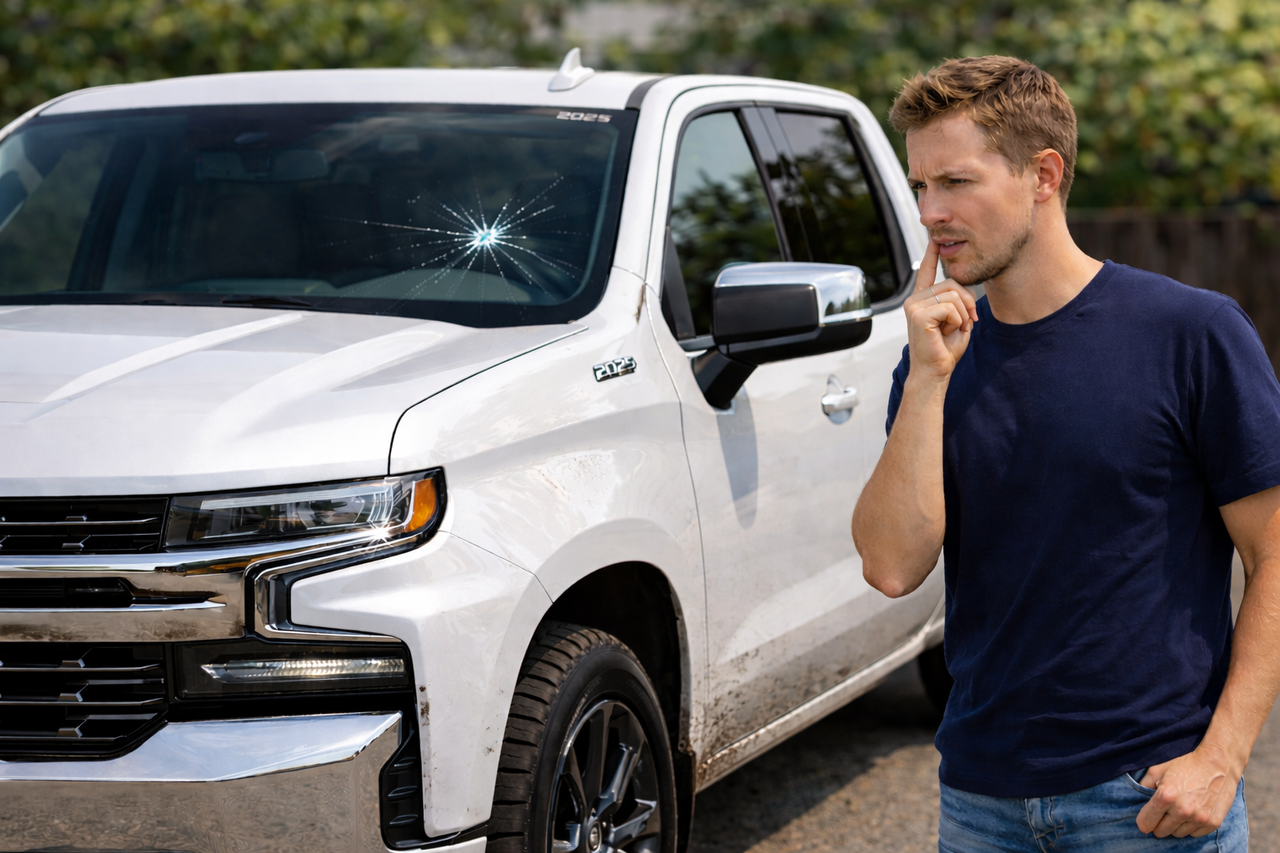
For windshield repair High Point drivers often choose mobile service, which can be great if your car sits on level ground and can be kept dry during the set. For leaks, a controlled shop environment is better. Diagnosing intermittent water entry in a parking lot in December, with the wind blowing, invites mistakes.
For emergency auto glass High Point needs, like a shattered side window after a break-in, you want the opening secured immediately. The risk with a quick tape-and-plastic job is water routing into switches and speakers. Ask the tech to remove loose glass from the run channel and clear the drains before they cover the opening. That ten-minute step saves components.
Repair versus replacement, and where money is well spent
For leaks and drafts, you rarely need complete car window replacement High Point prices. You do need fresh seals, correct alignment, and, if the regulator itself has slop, a new regulator. Regulators are not created equal. Off-brand regulators sometimes have too much play out of the box. Spend the extra for a quality part, especially on the driver’s door which sees the most cycles.
If the glass has deep scratches where it rides in the channel, those grooves will chew up new weatherstrips and keep air paths open. In that case, car window replacement High Point shops can set new glass that matches OEM thickness and curvature. Thickness matters for wind noise and regulator load. Thinner aftermarket glass can sound different at speed.
For windshields, rock chips near the edge can propagate cracks that compromise the seal during body flex. If the chip is small and away from the edge, a repair can work and save the factory seal. If it is in the driver’s critical viewing area or near the perimeter, replacement is safer. Quality windshield replacement High Point technicians will also transfer ADAS cameras and recalibrate if your vehicle requires it. That step is not optional on many late-model cars.
Preventive care that actually pays off
Water wants in. Your job is to give it a safe path out and keep seals healthy. Seasonal attention beats emergency fixes. A ten-minute ritual every oil change can extend your seals and keep drains clear.
- Rinse the window run channels with clean water, then wipe them with a cloth dampened with a rubber-safe conditioner. Cycle the glass up and down to spread the conditioner evenly. Inspect and clear door drains. If your car lives under trees, do this after storms. You should see daylight through the drain slots. If not, don’t use a screwdriver that can scratch paint; use a plastic pick. Keep the cowl area free of leaves and pine needles. Remove the cabin filter and check the housing for water stains. If present, replace the filter and reseal the cover. Wash and lightly coat outer belt moldings to slow UV damage. Avoid shiny dressings that attract dust. A matte, water-based protectant is enough. Lubricate regulator tracks with the manufacturer’s recommended product. Dry-film lubricants work well on metal sliders, but keep them out of rubber channels.
Small habits keep big repairs at bay. Most leaks I’ve seen could have been avoided with clean drains and supple seals.
Costs and realistic timelines
A door vapor barrier reseal, done correctly, falls in the modest range for labor. Expect a window of one to two hours per door at local rates. If clips are brittle and panels fight you, add time. A new regulator and alignment can take two to three hours, depending on the model. Belt moldings live in the twenty-minute to one-hour range each, assuming no rusted fasteners.
Windshield leak diagnosis varies more because you’re paying for time and experience. A professional may find the source in minutes or may need a controlled water test and trim removal. If your windshield needs to be reset or replaced, allow half a day plus cure time. Mobile auto glass High Point teams often offer repair windows within the same day, but they still must respect adhesive cure guidelines. If a shop promises immediate drive-away after a full windshield replacement with high-strength urethane, press for details. Safety and proper bonding come before speed.
How to choose the right help in High Point
You’ll find many listings for auto glass replacement High Point, but they are not all equal. Look for certifications from adhesive manufacturers, proof of technician training, and clear policies on water leak warranties. Ask how they handle ADAS calibration if your windshield houses sensors. If the conversation is only about price and not process, keep looking.
For car window repair High Point cases that are leak and draft specific, not breakage, ask if the shop will reseal vapor barriers, adjust regulators, and replace weatherstripping, or if they only swap glass. You want a shop that treats the door as a system, not a pane of glass on an island.
Same day auto glass High Point service is useful for a broken window, but a persistent leak deserves a scheduled diagnostic in a dry bay. Emergency auto glass High Point providers are terrific at securing a vehicle and installing replacement panes quickly. The follow-up step is to verify the absence of leaks, even if you have to return after a storm for a recheck.
A grounded walkthrough: one car, one fix
A client brought a sedan with a soaked driver’s carpet and a low, maddening whistle at 50 mph. Two problems, he assumed, meant two repairs. We ran the hose test along the side glass and saw nothing inside. We then held the stream at the base of the windshield on the driver’s side. No drip appeared, but the carpet kept getting wetter. We pulled the cowl panel and found the cabin air intake cover misseated, a corner cracked from a previous cabin filter change. During heavy rain, water pooled in the cowl and overflowed into the HVAC box, then down behind the dash. A new cover and a fresh bead of foam sealant solved the water.
The whistle was unrelated. We cleaned the run channels, conditioned the seals, then tested. The noise improved but didn’t disappear. With a feeler gauge between the glass and the upper seal, we found a light gap at the forward upper corner. The regulator allowed a few millimeters of tilt. A light adjustment on the guide track and a new outer belt molding completed the fix. The client left dry and quiet, and the total was far less than a full window or windshield replacement.
The lesson holds. Follow the water. Chase the air. Solve the cause, not the symptom.
Final guidance for staying dry and quiet
Leaks and drafts aren’t inevitable, even as a car ages in the North Carolina climate. Pay attention to small changes in noise and smell. Treat seals like wear items that need care, not lifetime parts. When you need help, look for a shop that promises more than glass swaps. The best providers of auto glass repair High Point has to offer understand water management, alignment, and the interplay between parts. Whether you choose mobile auto glass High Point service for a quick fix ADAS calibration High Point or schedule a deeper diagnostic in a shop, ask for clear testing and proof of a seal before you pay.
A car should feel snug and predictable. When it doesn’t, the path back is rarely complicated. It is a matter of seeing the system the way the engineers intended, then restoring it piece by piece. In a place like High Point, where rain can arrive in buckets and humidity lingers, that attention pays off every time the clouds roll in.